Level 3 Games Design
Unit 78:
Digital Graphics for Computer Games:
Artistic Styles:
Photo realism:
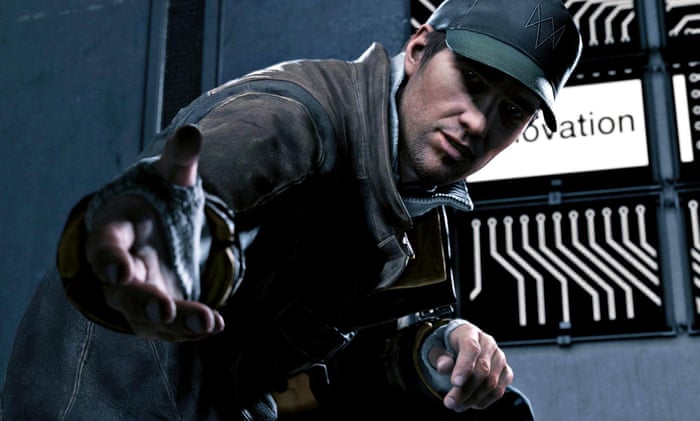
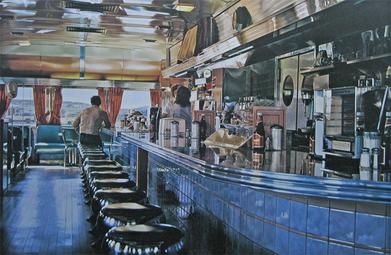
Photo realism is
where you make an image from scratch and make it look like a real photo that
someone has took. This can be imported into games with the newer graphics and
want to make them realistic as possible, for example, Battlefield 1, Call of
duty World War 2 and many more games that are coming out this year or in the
further year.
Here are 5 reasons
why designers use photo realism:
reference -Steve's Digicams. (2016). 5 USES OF PHOTOREALISTIC RENDERING.Available: http://www.steves-digicams.com/knowledge-center/how-tos/video-software/5-uses-of-photorealistic-rendering.html#b. Last accessed 28/09/17.
1. Architecture
In architecture,
renderers were previously used to add the layers, to make a finished picture by
hand. Now, it’s done on the computer, and generally it’s much more
cost-efficient. Additionally, by building a 3D model and adding animation,
clients have the opportunity to see their project from every angle, including
overhead and inside. These ‘fly-by’s’ help visualize exactly what the client is
in for, and it’s less expensive to make corrections on a rendering than an
actual building.
2. Movie and Television
Special Effects
There’s hardly a
dramatic film or television show currently airing that doesn’t use some form of
photorealistic rendering. Sometimes they’re more obvious, like scenes with cars
that turn into gigantic robots or thousands of battling warriors. Other times,
it’s more subtle, where the effects may simply add texture to the scene, like
clouds and shadows. It’s also used for removing things from scenes that
shouldn’t be there (like an airliner soaring through the sky behind a Roman period
piece or an aluminum ladder from an ancient pirate ship).
3. Video Games
Rendering has made
tremendous strides in the area of video gaming. In the last 10 years, the
graphics in video games have gone from clunky and slow to smooth and extremely
realistic. Driving emulates actual driving (only, generally faster.) The cars
look much more like real cars, and the backgrounds often incorporate real
backgrounds. Fantasy games display battles where characters and settings look
real. Sports games, modeled after real moves and plays, look more and more
starkly realistic.
4. Simulators
Flight time can be
costly, as it involves expensive airplanes, but potential pilots have a new
option in that they can use a less costly simulator. The risks are minimized,
too. Simulators don’t have accidents or catch dangerous up-drafts. Another
potentially risky area that simulators have helped newcomers is in driving, in
particular race driving. The other cars are virtual, as are the threats, and to
roll a simulator is far less likely.
5. Design
Visualization
One realm where
photorealistic rendering seems to be exploding is in design visualization. Just
as it’s more cost effective to change a virtual building than an actual one,
when companies seek to bring out a new product, it just makes more sense to
utilize a computer artist or designer who can give a perfect visual model,
available for market testing or in-house research-and-development. This applies
to things as small as food packaging to cars, or as large as popular theme
parks and their rides.
Anime:
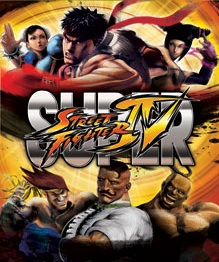
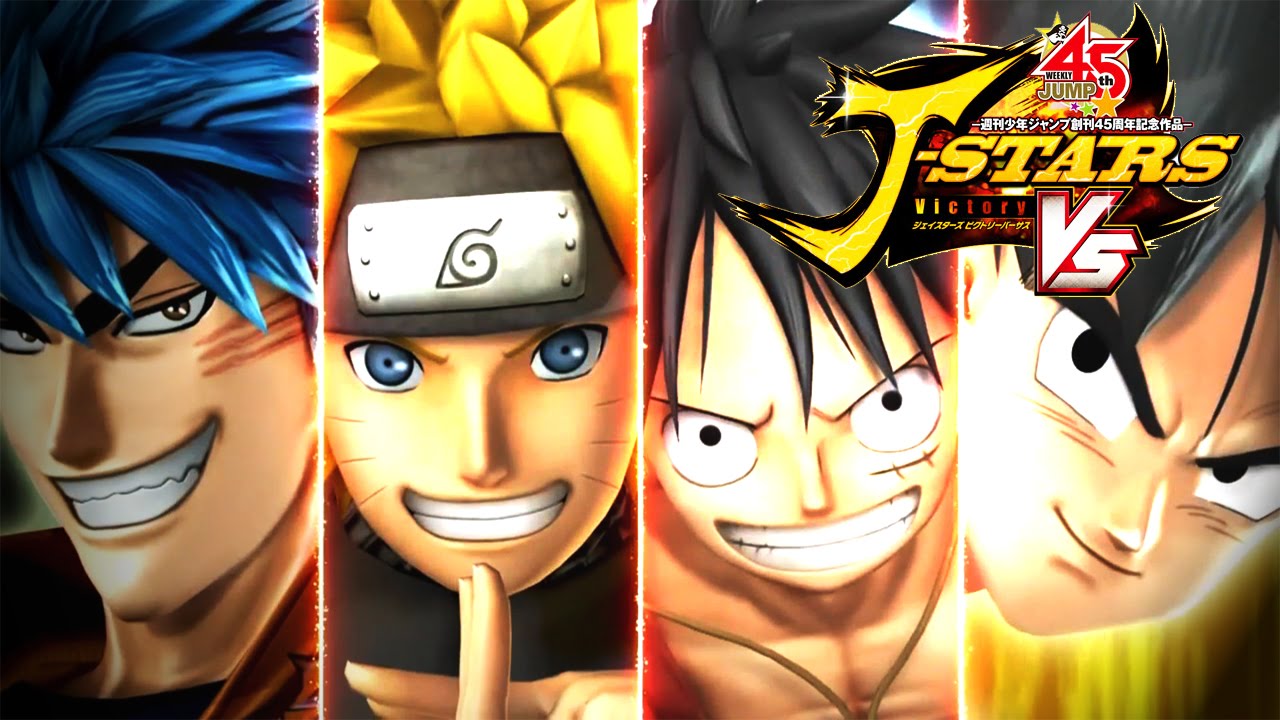
Exaggeration is used in games, mostly in RPGs, this art style is used for anime and manga typically, this art style is where the artist exaggerates many things within the game, mostly games with a Japanese influence, for example, in the game "final fantasy 7" the character "cloud" has a huge sword.
Reference - http://ragingflame62.blogspot.co.uk/2012/11/exaggeration.html
One of anime’s distinctive features is the type of plots in which it appears. These plots tend to be far more complex than the plots of regular animated cartoons or many other animated projects. For instance, an anime plot typically develops over the course of dozens of episodes, and a single storyline can take more than 50 episodes to fully develop. In addition to complex plots, anime characters are often complex themselves. Other types of animation allow for characters in which only one or two personality traits are developed and emphasized. Anime character design, however, frequently develops characters that possess many layers. This art form develops these layers and personality traits in order to present a multi-faceted person. In addition, there are also often many main characters in a storyline. The result of these features is a rich field of fascinating characters that interact to tell a lengthy story.
Reference - http://showmetheanimation.com/features/animation-styles-what-makes-anime-unique/
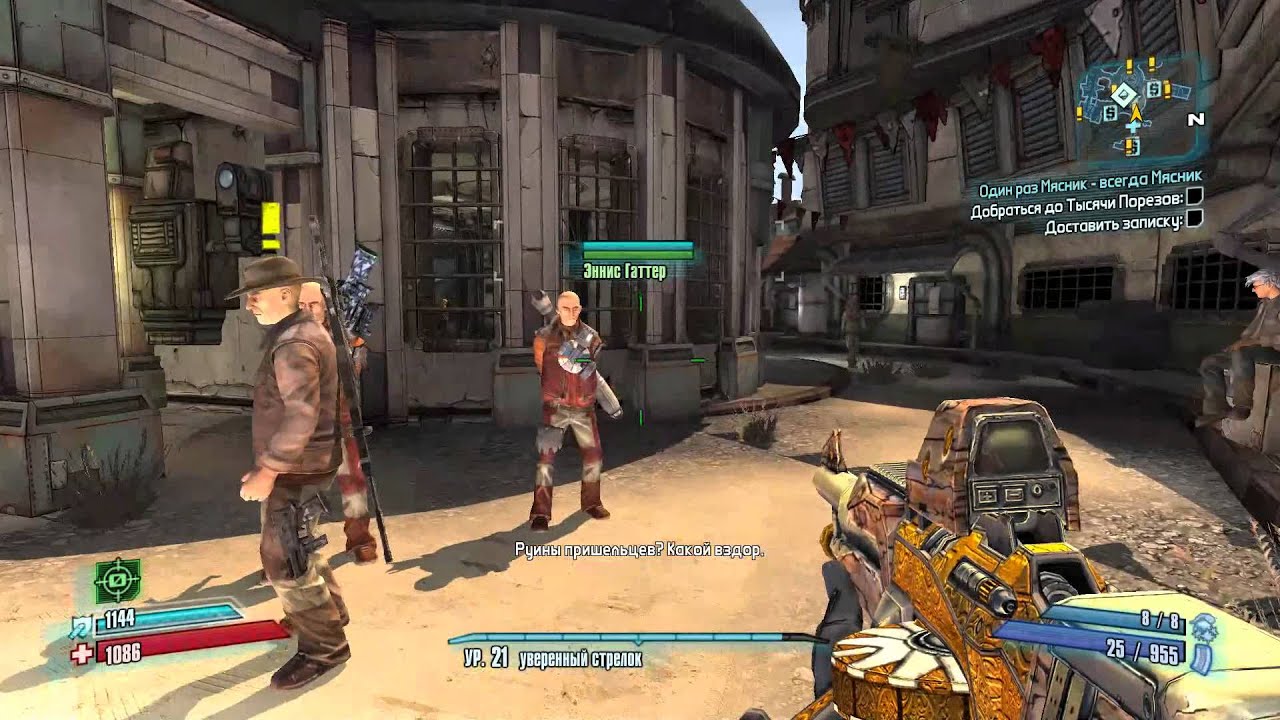
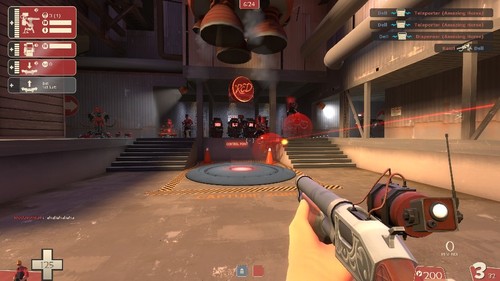
Cel Shading:
Cel Shading is a style of computer rendering that replaces the shading gradient of conventional rendering with flat colours and shadows (as seen at right). In layman's terms, it imitates the look of hand-drawn artwork and animation. The style was codified with the Sega Dreamcast game Jet Set Radio.
While the style is not exclusive to Video Games, it is often used there since this is the only way to produce a hand-drawn look via computer polygons. In other media, Cel Shading can be useful to render specific items in a hand-drawn production, if a given scene would be too difficult to animate by hand, such as a rotating object or an Epic Tracking Shot traveling down the length of a massive vehicle. There are also animated series produced exclusively via cel shading, usually for similar reasons. When mixing cel shading with traditional animation, it's important to calibrate the renderer to avoid visually clashing with the rest of the production (i.e. being too detailed or smoothly animated).
Reference - http://tvtropes.org/pmwiki/pmwiki.php/Main/CelShading
Pixel:
Pixel art is a form of digital art, created through the use of software, where images are edited on the pixel level. The majority of graphics for 8-bit and 16-bit computers and video game consoles, as well as other limited systems like graphing calculators, is pixel art. Creating or modifying pixel art characters or objects for video games is sometimes called spriting, a term that arose from the hobbyist community. It was used a lot back in the day when video games were first being developed and they didn't have the technology to make 3D / photo-realistic games like we do today.


No comments:
Post a Comment